Home Repair and Prototyping with 3D Printing
Practical guidance on printer types, filament selection, and design software — built for Canadian homeowners, makers, and first-time users.

Latest Articles
Topics Covered
Three focused topics covering the decisions most beginners face when getting started with 3D printing for practical home use.
Printer Types
FDM vs SLA: Choosing the Right Printer for Home Projects
The two most common desktop printer technologies differ significantly in cost, materials, and practical output. Here is what each is suited for.
Read article
Materials
Filament Selection Guide: PLA, PETG, and ABS for Repair Applications
Material choice affects durability, print difficulty, and suitability for different repair tasks around the home. A breakdown of the three most common filament types.
Read article
Design Software
Free Design Software for 3D Printing Beginners in Canada
Several free tools are available for creating printable models without prior CAD experience. Each has a different learning curve and suits different types of projects.
Read articlePrinter Technology
Understanding FDM and SLA Before Buying
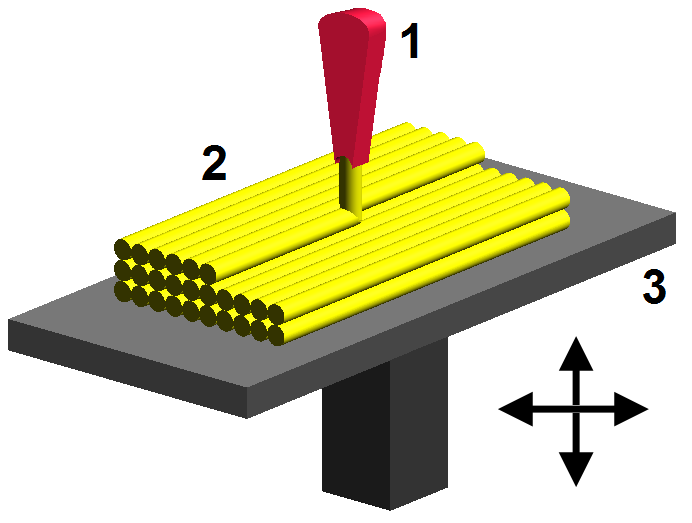
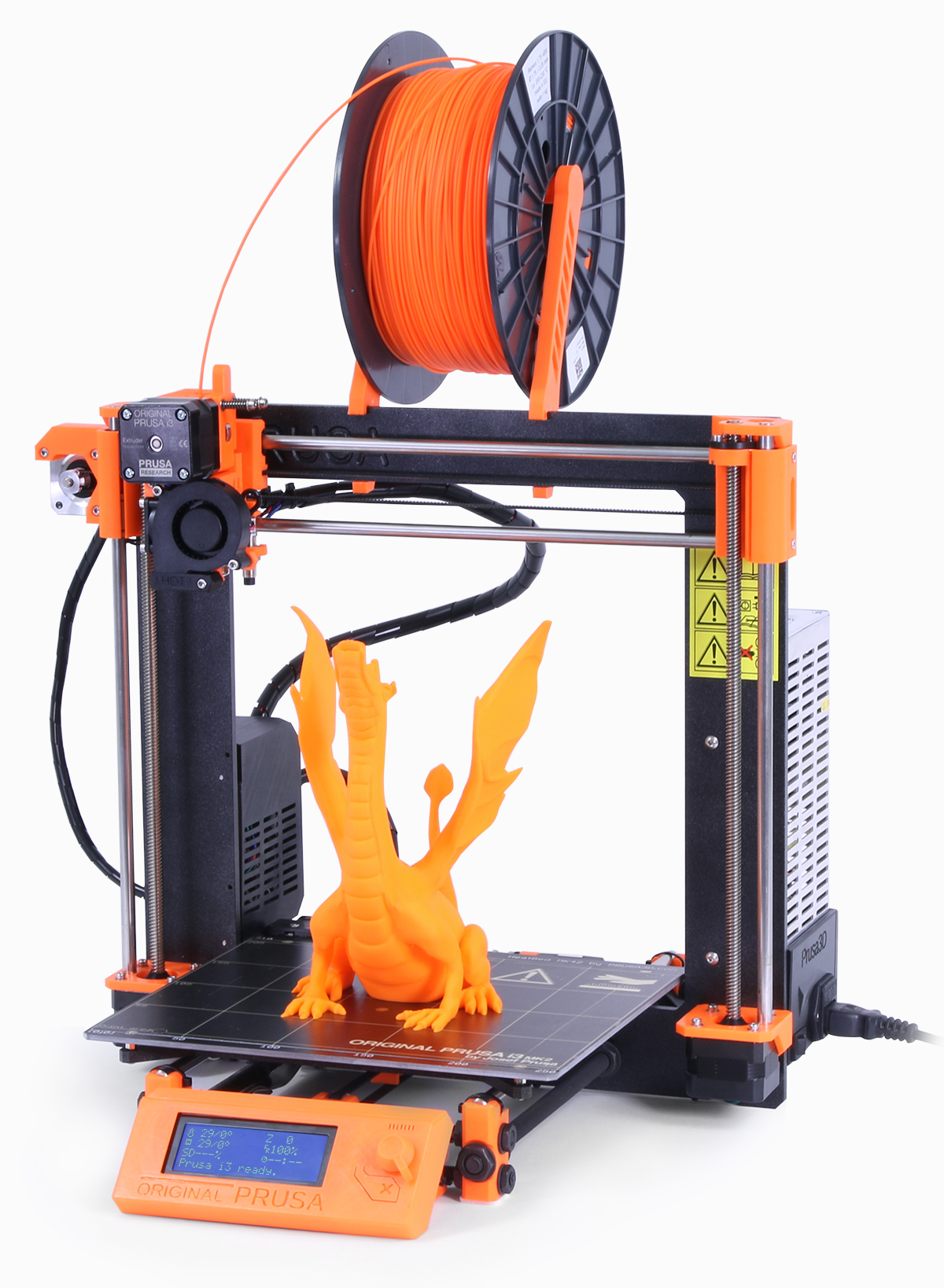
Fused Deposition Modelling (FDM) printers build parts layer by layer from spooled plastic filament. They are generally less expensive to buy and operate, and the consumables are widely available across Canada — including at many Canadian Tire and hardware store locations.
Stereolithography (SLA) printers use UV-cured resin to produce finer surface detail, which matters for smaller decorative or mechanical parts. However, resin requires more careful handling and ventilation, particularly in enclosed Canadian homes during winter.
Home Repair Applications
Common Repair Use Cases Around the House
3D printing is practical for replacing small broken plastic parts — drawer handles, cable clips, pipe brackets, ventilation grilles — where the original manufacturer no longer supplies the component or charges a high minimum order.
In Canadian homes with older construction, replacing specific hardware pieces can be difficult. A printer allows exact-dimension replacement parts based on simple measurements. Thingiverse and Printables host thousands of ready-to-print repair parts submitted by other users.

Getting Started
Key Considerations for Canadian Buyers
A few practical factors that affect the 3D printing experience specifically in Canada.
Filament Availability Across Canada
Major filament brands — including Hatchbox, eSUN, and Polymaker — ship to Canadian addresses from both domestic and US warehouses. Duty and brokerage fees vary by carrier. Some local makers supply PLA from Canadian-based operations, which can reduce lead times.
Temperature and Humidity Effects on Printing
Canadian winters create dry indoor air conditions that can affect filament moisture absorption. PLA is particularly sensitive to humidity over time. Sealed storage containers with desiccant are recommended for filament kept longer than a few weeks.
Contact
For questions or topic suggestions, fill in the form below.